Understanding Power Factor and Why Factories Get Penalised

Many factory managers look at their monthly electricity bill and question line items they do not fully understand. Among the most overlooked is the reactive power charge — often buried in the fine print but capable of adding 10–30% to your total energy cost.
What is power factor?
Power factor is the ratio of real power (kW) to apparent power (kVA). Inductive loads — motors, transformers, welding equipment, fluorescent lighting — consume reactive power that does no useful work but must still be generated and transmitted. When power factor drops below a threshold (typically 0.85 in Thailand), the utility applies a penalty.
The cost of ignoring it
Consider a factory with a 500 kVA transformer running at 0.70 power factor. The utility sees you drawing 500 kVA but only 350 kW of useful power. They must still size their infrastructure for the full 500 kVA — so they charge you for the difference. Improving power factor to 0.95 can reduce the kVA demand to approximately 368 kVA, eliminating the penalty and freeing up transformer capacity for future expansion.
SVG and APF: the modern fix
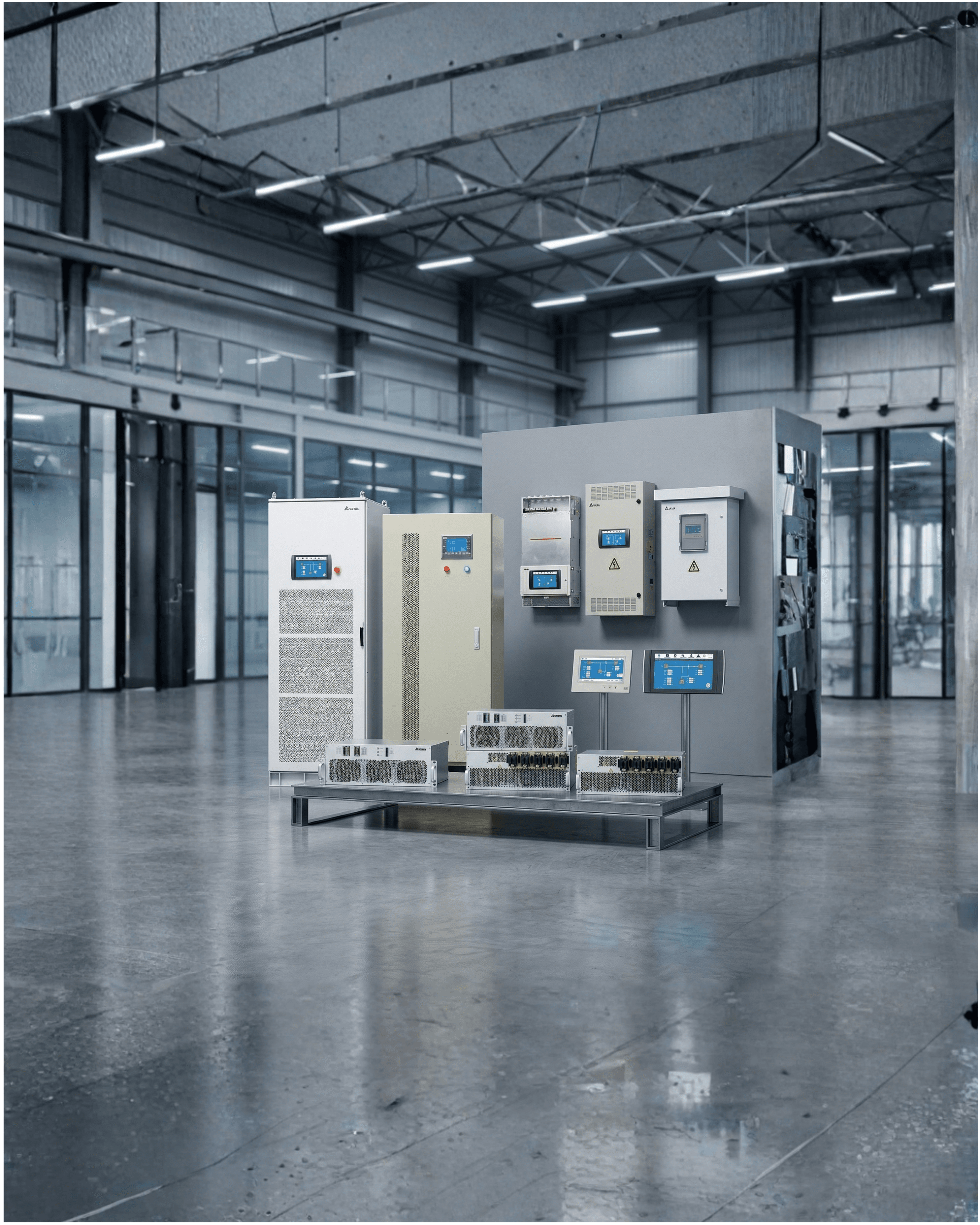
Traditional capacitor banks provide fixed reactive power compensation but respond slowly and can create resonance issues. Static Var Generators (SVG) and Active Power Filters (APF) use IGBT-based power electronics to inject reactive current in real time, correcting power factor within milliseconds while also cancelling harmonics from non-linear loads like VFDs and rectifiers.