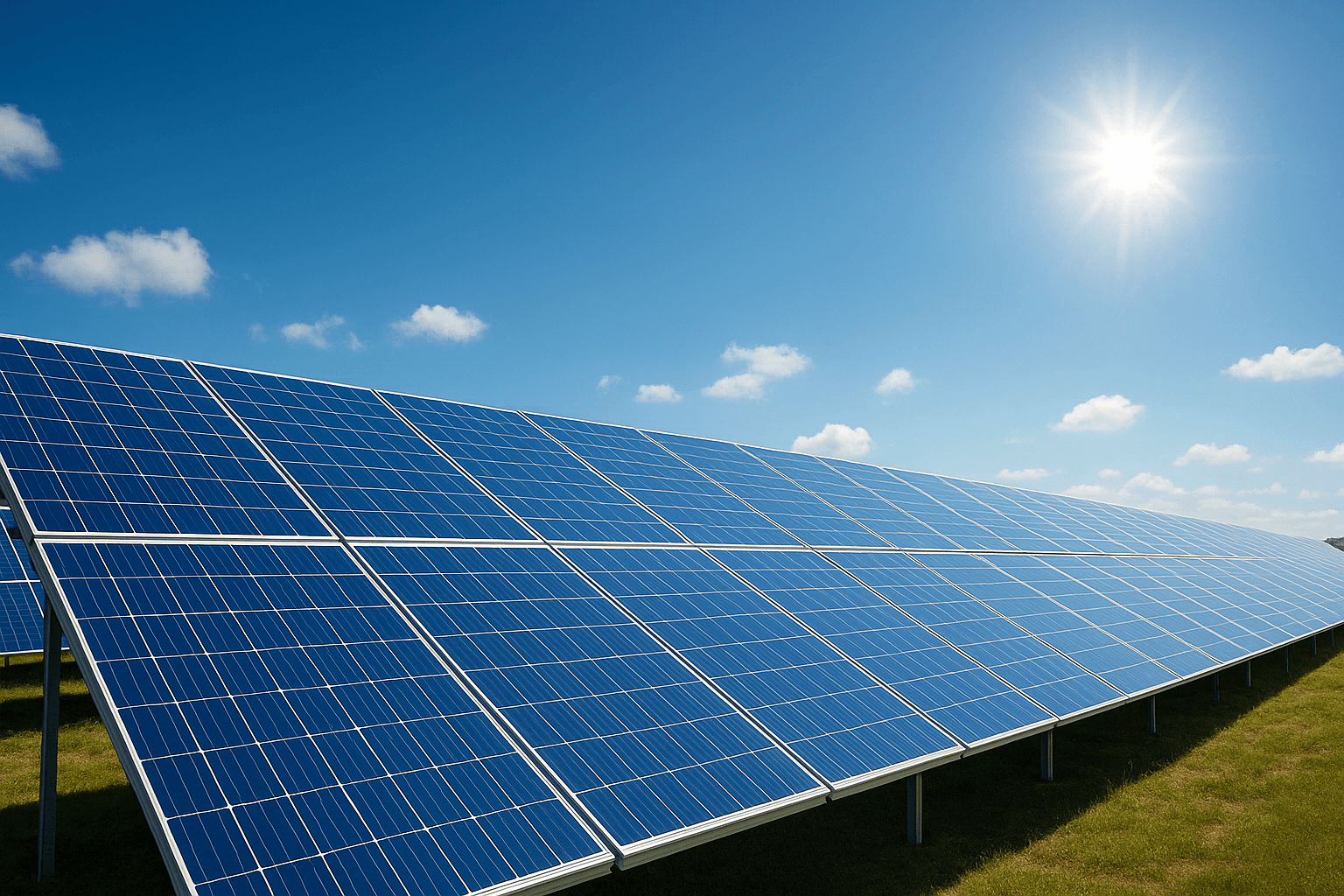
How Solar PV Reduces Industrial Electricity Bills in Thailand

Solar photovoltaic systems have become the most accessible entry point for Thai factories looking to reduce operating costs while meeting corporate sustainability targets. With panel prices at historic lows and government incentives through the Feed-in Tariff scheme, the business case has never been stronger.
How the numbers work
A typical 250 kW rooftop system in Thailand can generate approximately 350,000 kWh per year. At an average industrial electricity rate of 4.2 THB/kWh, that translates to roughly 1.47 million THB in annual savings — before accounting for any FIT revenue from exported surplus.
The payback period for most installations now sits between 4 and 6 years, with system lifespans exceeding 25 years. That leaves nearly two decades of pure operational savings after the initial investment is recouped.
Net metering and feed-in tariffs
Thailand's regulatory framework allows industrial users to offset their consumption with on-site generation. Excess energy can be sold back to the grid through the Provincial Electricity Authority or Metropolitan Electricity Authority at contracted rates. This dual-revenue model — reduced bills plus export income — is what makes solar PV particularly compelling for factories with large, unobstructed rooftops.
What to consider before installation
Not every roof is solar-ready. A proper feasibility study should assess structural load capacity, shading analysis, orientation and tilt optimisation. Partnering with an experienced EPC contractor ensures the system is sized correctly and integrated seamlessly with existing switchgear and transformers.